
I stared at my phone, the message blinking on the screen like a cruel echo I wanted to rewrite: “This year it’s just Gabriela’s family. Hope you understand.” The words settled heavy in the sharp November sunlight streaming through the floor-to-ceiling windows of my Brighton condo. The light spilled onto the crystal vase I’d splurged on last week, catching its facets and fracturing the harbor view—white sails cutting against deep blue water—as if mocking my solitude.
Every piece of this minimalist sanctuary spoke of hard-won success—subtle whites and grays, original artwork, the spotless surfaces. But no amount of curated perfection could mask the hollow ache unfurling inside me.
My thumb hovered over the screen. Twenty different responses warred in my mind—angry, pleading, desperate. Yet, only one word made it through my fingers:
“Enjoy.”
I placed the phone gently on the marble counter. My palms pressed against the cold stone, staring back at me in the reflection was a woman poised and composed, yet a slight tremor betrayed the storm lurking beneath.
Just yesterday, I was at HearthHome, picking out personalized stockings for my nieces and nephews—a cashmere throw for Abuela Lucia, a rare bottle of scotch for Tío Ernesto, a hand-carved cheeseboard for Tía Elena and Tío Antonio—my parents, strained as the bond was. The memory burned sharper now.
Abuela Lucia’s warm voice had filled the line last week. “You’re still coming for Thanksgiving at your parents’ place, right? I can’t wait to see you, mi querida.”
“I wouldn’t miss it,” I promised her, stirring the cranberry chutney recipe I’d tinkered with until it was perfect—tart and sweet with just the right hint of spice, ready for the table.
The phone shattered the silence—Primo Miguel’s name flashing urgent on the screen.
“Isabella? Have you heard?”
“About Thanksgiving?” My voice barely masked the rising dread.
“They just sent the same text to almost everyone except us,” he said, disbelief threading his tone. “Only Gabriela’s crowd this year. Eighteen family members sidelined.”
“What? Why would they do that?”
“Because Tía Elena and Tío Antonio only want Gabriela’s ‘picture-perfect’ family this year,” he spat. “God forbid they include the rest of us ordinary people.”
I closed my eyes and tasted the bitter truth—not just about this year, but decades of being the invisible daughter: Christmas gifts labeled “practical” while Gabriela received extravagance; missed parent-teacher conferences excused while they attended Gabriela’s volleyball matches. I’d numbed to the sting long ago.
“You still there?” Primo Miguel’s voice pulled me back.
“Yeah. Just… trying to take it in. We’re thinking about gathering at Abuela Lucia’s instead. But her little house can’t fit everyone.”
I turned to the harbor, its glassy surface mirroring the fading light, and saw myself as others might: composed, successful, untouched by family drama. The hurt inside wanted to hide, to lick invisible wounds, and to pretend it didn’t matter.
But as the sunlight caught the water, blinding me briefly with its brilliance, something inside shifted. My reflection in the glass straightened, my chin lifted, the hurt mingling with something fierce and unyielding.
I grabbed my phone, scrolling to the name I needed.
“Chef Javier? It’s Isabella Morales.” My voice steadied, each word sharp with resolve. “I’m hosting Thanksgiving. For 32 guests. At my estate in Whitepine.”
His surprise was unmistakable. “An ambitious task, Ms. Morales.”
“I know,” I said, my gaze flicking back to the cold text. “It’s time to start a new tradition—one where no one gets left behind.”
As I ended the call, a strange calm settled. They had chosen to erase me. I was choosing to make my own table. And I suspected they’d soon regret the empty chairs they left behind.
—
Later, under the glittering Brighton skyline fading into twilight, I unlocked the climate-controlled storage unit—my time capsule, packed with years of salvaged memories hidden from pain.
The harsh flicker of fluorescent light revealed boxes in my precise script: High School, College, Family Photos.
I hesitated before lifting the last box and, sitting on the cold floor as I once did as a child, began flipping through worn albums.
Each photo told the same story: Gabriela glowing in the center, parents beaming protectively around her, while I lingered at the edges or was cropped out altogether.
“Moved right as I clicked,” Madre would say when I asked why I was missing from some pictures. Eventually, I stopped asking.
Memories flooded back—Christmas morning 1995, Gabriela unwrapping a deluxe art set with radiant joy, and me holding up a practical winter coat, smiling out of obligation, aching inside for the telescope I’d circled in catalogs.
Deeper in the box surfaced my MIT acceptance letter, edges crumpled from hopeful hands. I remembered bursting into the kitchen, waving it before Padre’s newspaper.
“I got in! Full admission to MIT’s Computer Science program!”
He looked up briefly, then back down. “Computer science? What kind of career is that for a girl?”
Madre squeezed my shoulder. “We just worry about you. Gabriela’s teaching degree will be practical.”
I tucked the letter away silently and cried alone in the park, hidden from their eyes.
Next came pay stubs from three jobs—cafeteria mornings, library afternoons, coding at night—funds they refused to help with, citing financial strain, even as Padre refinanced for Gabriela’s opulent wedding. “Worth every penny,” he said.
A faded bank loan application revealed my desperate college year request, denied without a cosigner of strong credit. Madre’s disapproving click of the tongue echoed: “Borrowing is irresponsible, Isabella. Maybe take a semester off.”
I didn’t.
The phone buzzed again—Abuela Lucia’s name.
“I heard,” she said, voice tight with indignation. “Tía Elena said they want Thanksgiving small but cut half the family out.”
“It’s okay,” I muttered.
“It’s not. I should have stood up for you years ago.”
Her words pressed against my chest—I wasn’t invisible.
“I’m hosting,” I declared, surprising even myself. “At the Whitepine estate. Everyone’s invited.”
“The house you bought last year? The one they never bothered to visit?”
“Yes.”
Silence lingered before she smiled. “I’ll be there, bells on. And we’ll make sure everyone knows who saved Thanksgiving.”
Messages poured in—Primo Miguel rallying the family, Isabel, my assistant, arranging rides for elders. Chef Javier sent a menu melding tradition with brilliance.
I packed the relics away, sealed them with care, and promised myself: tomorrow, Whitepine would welcome us all.
—
The winding driveway through bare maples brought me to the colonial revival mansion—white columns standing sentinel, windows gleaming watchfully over the pond.
$6.2 million. Just numbers last year. Now, a fortress of new beginnings.
Carlos, the caretaker, greeted me with a weathered smile. “Good timing, Ms. Morales. Snow’s coming, generator checked.”
“We’ll have about thirty guests,” I said.
He nodded, steady. “Rooms ready when you say.”
Upstairs, I smoothed cotton sheets for Abuela Lucia’s bed—soft pillows, dried lavender beside her. Quilts from Vermont for Tío Ernesto and Tía Elena. Baskets filled with toys for the little ones.
I set down 32 delicate place cards, my finger lingering on my own, wondering where they would’ve seated me—probably the edge, if at all.
In the grand dining room, sunlight kissed the tall ceilings and glass walls, imagining voices, laughter, silverware’s gentle clatter.
Love or revenge? Both, I admitted quietly.
I placed my card at the head and stepped back, envisioning the scene through Madre’s eyes—the understated wealth, the grace, the deliberate planning.
Let them see what their second daughter built. Let them wonder what they missed while looking away.
A flashing message from Madre broke the moment: “You’re embarrassing the family with this spectacle. People are talking.”
Irony made me smile. After cutting me out, now they feared appearances.
Next, Carlos reported a storm threat.
“Severe?”
“Worrying, yes. Generator’s ready, but with so many…” He trailed off.
“I hope it passes.”
I checked social media reluctantly. Gabriela’s post topped the feed:
“So blessed to celebrate with true family this year. The ones who matter most. #RealThanksgiving #FamilyFirst”
Comments overflowed with hearts; no mention of the eighteen erased relatives.
Padre’s voicemail cut through: “Isabella, Madre and I think you’re overreacting. If you wanted to host, why didn’t you talk to us instead of…” I deleted the message.
Primo Miguel called. They were calling family, trying to dissuade them—claiming I was just flaunting.
“Are people canceling?” My throat tightened.
“No. The opposite. Abuela Lucia told Tía Elena to pound sand.”
In my home office, I traced fingers over the mahogany desk once a cramped corner, where I built CyberCore, fighting for every inch in a market and family dismissive of my dreams.
The night a client’s system was saved by my protocol changed everything—contracts, acquisition offers. When I called Madre and Padre after the $420 million sale, Madre gushed over Gabriela’s twins, ending the call before I shared my news.
Now, in a house worth more than everything they owned, I was preparing a feast for the family they forgot.
—
Snowflakes whispered as the earliest guests arrived—Prima Carmen and her clan tumbling in laughter.
“Is this a castle?” little Emma asked, eyes wide.
“Just a very big house,” I said, kneeling.
Cars lined the drive, snow thickening, Carlos guiding elders, Chef Javier orchestrating kitchen magic.
Abuela Lucia burst through the door, snowflakes dusting silver hair, cheeks glowing with defiance.
“Madre thinks I’m upstairs with a headache,” she announced. “I’d rather be here, where family truly means something.” Her hands, soft and warm, cupped my face. “They’ve done this to you since you were small. I should’ve spoken sooner.”
Her embrace almost broke me.
Inside, life surged—children’s laughter stitching warmth through hallways, extra dishes arriving, Primo Miguel organizing rest spots for elders, Chef Javier’s feast blending homage and elegance.
The cranberry chutney I perfected sat proudly among elevated family classics.
As the blizzard raged outside, windows rattled, and we gathered around the grand table—32 seats, none empty.
Uncle Ernesto stood to toast when darkness swallowed us.
“Generator’s kicking in!” Carlos’s voice echoed, but silence lingered, tense.
Then, a soft hum stirred, voices rising in “Amazing Grace,” candlelight flickering courage across faces.
Abuela Lucia’s clear soprano soared while Primo Miguel and sons handed out candles. In their glow, I found what I’d sought—a raw, imperfect, beautiful connection, not the polished facade of my parents’ table.
When power returned, part of me mourned the lost darkness, where our family finally felt whole.
Carlos informed me Padre’s neighborhood was silent for hours, their big house holding just seven, while our thirty-two guests thrived in warmth and joy.
They thought dismissing me was a loss. Instead, they ignited a new beginning.
—
Sunlight spilled on the pristine snow outside the estate. My phone buzzed endlessly—social media alive with gratitude and surprise.
Eduardo, my nephew, posted photos: the glowing feast, candid laughter, the candlelit power outage, the magic of our gathering.
Prima Carmen joined, phone in hand. “It’s viral in town.”
I smiled. “I didn’t need to be in many photos. The family was the story.”
Gabriela’s esposo called, hesitant. “Yesterday looked… nice.”
He’d accidentally tagged Padre and Madre in a comment, stirring ripples.
Padre’s message: “They’re asking questions now.”
Comparisons flooded in—our lively feast versus my parents’ sparse table.
Abuela Lucia confided, “Madre called me. Said it was the first time family felt whole in years.”
A comment lingered online: “Why weren’t Isabella’s parents there?”
The question hung, silent.
Their calls came—Madre’s voice sharp with accusation.
“How could you do this? Showing off with your money?”
“I only set another table because you excluded me from yours.”
Padre’s voice interjected:
“Maybe we should talk in person.”
“I’m listening,” I replied, “but remember, two months ago at Gabriela’s birthday, I announced selling CyberCore and no one heard.”
Silence breathed.
“I sold the company for $420 million. Yet no one cared.”
His breath caught.
“I know,” I said softly. “You never have.”
When I ended the call, Primo Miguel appeared with fresh coffee.
“Everything okay?”
I looked around at the family who stayed, who helped, who cherished this home.
“For the first time, yes.”
—
Sunday morning: the unexpected chime of the doorbell.
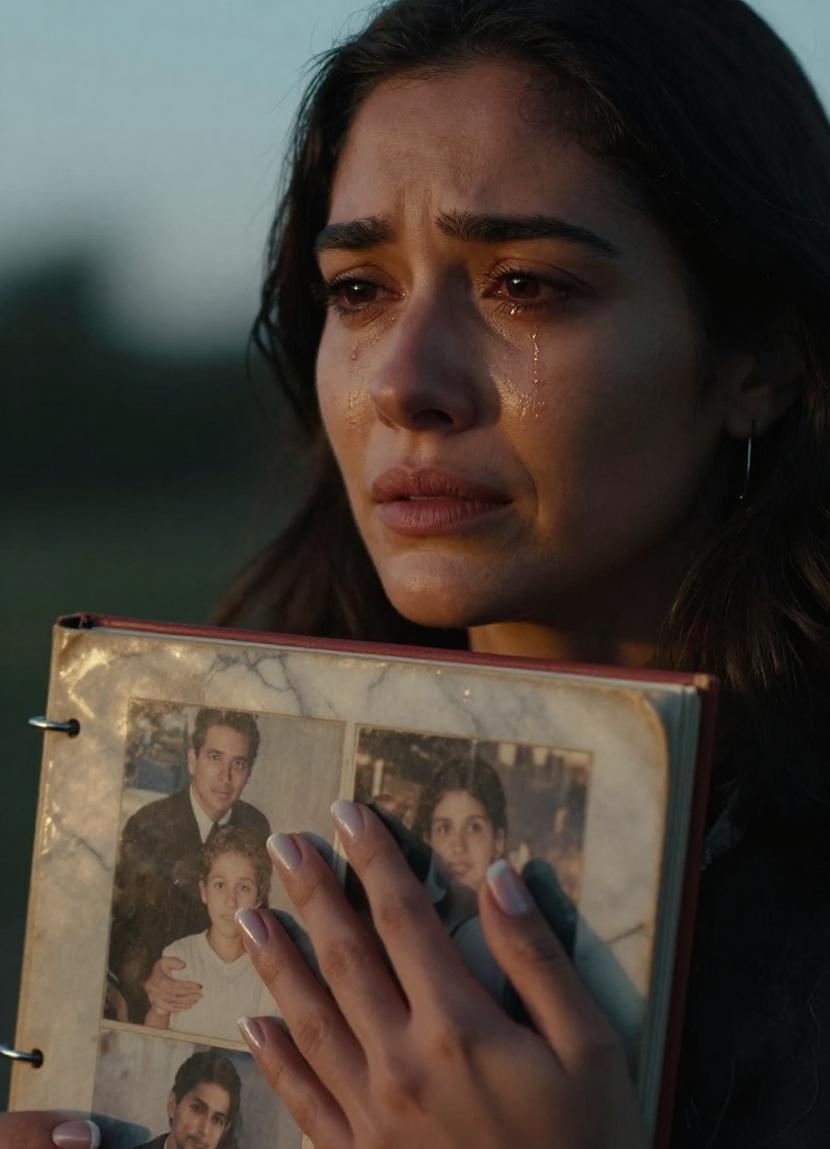
There stood Madre and Padre, cautious, Madre clutching a weathered photo album.
“This is a surprise.”
“We were nearby,” Padre said, voice too bright. “Thought we’d drop in.”
Mother ran her finger along my marble counter; Padre examined my Rothko.
“Quite a place,” he said.
“Would you like to sit?”
They settled on my sofa, looking small amid the light.
Madre opened the album. “Remember your eighth birthday? Gabriela’s candles at the center, you at the edge?”
“I remember. You forgot my cake three months later. Abuela Lucia made cupcakes.”
Her smile cracked.
“It’s all here,” I said, retreating with a box labeled EVIDENCE.
“What’s that?” Padre asked.
“Proof.”
I went through it—MIT acceptance ignored for Gabriela’s volleyball, bank records, loans denied, house refinanced.
“We should move past this,” Padre pleaded. “We’re family.”
Madre reached for my hand. I withheld mine.
Padre cleared his throat. “We know you’re successful. If you need financial advice, I have a contact.”
“I’m well-advised, thank you. But I do need respect.”
The phone rang. Gabriela. Speaker on.
“Madre and Padre there?”
“I am,” I said.
Gabriela’s voice wavered. “I’ve been jealous. You’re smarter, braver. Being perfect scared me.”
Madre gasped.
“You know it’s true,” Gabriela said.
Suddenly, the doorbell sounded again.
Abuela Lucia entered, authoritative.
“I watched this for years. Every success you had, they diminished it. I won’t be silent.”
Madre’s composure broke, tears flowing.
“I didn’t realize.”
“Now you do. What comes next is your choice.”
—
One month later, snow drifted quietly outside as two cars rolled onto the drive—Madre and Padre in one, Gabriela’s family in the other.
My hands tightened around a warm mug as I heard the bell.
Madre appeared with a foil dish—sweet potato casserole, an offering.
“Perfect,” I said.
Later, alone in the kitchen, Madre rolled up her sleeves, helping quietly.
“Your home is beautiful,” she admitted softly.
I met her gaze. “Thank you for coming.”
In the dining room, no head of the table—just a circle uniting us all.
Padre toasted, “To learning from our mistakes.”
Madre’s hand rested lightly on my shoulder.
Gabriela whispered by the tree, “Thank you for giving the kids their whole family.”
As snow fell softly, I watched my now-whole family gathered, feeling a warm ember of truth kindle inside: family is those who truly value you.
Excluded from their table, I built my own—one where everyone has a place.
Next Thanksgiving, the circle will grow even wider. Everyone deserves a seat.